Dolphin Conservation Centre logo

Dolphin Conservation Centre

Donate Now

Dolphin Conservation Centre

ABOUT US

Dolphin Conservation Centre, Bhajani works with riverbank communities, students, and partners to protect dolphins, birds, and freshwater ecosystems across Kailali and Nepal.

General Information

Dolphin conservation rooted in local identity and river science

Dolphins are known locally as Dolphin, Sons, Sosuwa, and Susu. They include freshwater dolphins and marine dolphins. As mammals, they give birth to live young, nurse them through mammary glands, and are recognized as some of the most intelligent creatures after humans.

Major freshwater dolphin river systems include the Ganges (India), Indus (Pakistan and India), Yangtze (China), and Amazon (South America).

River landscape connected to dolphin habitat

Dolphin Conservation Centre

Geographical Distribution

Dolphins are found across key South Asian river systems and specific stretches in Kailali, Nepal

India

Ganges, Brahmaputra, and Meghna river systems.

Nepal

Karnali, Koshi, Narayani, Mohana, Kandra, Kaandaha, and Patharaiya rivers.

Kailali Hotspots

Karnali River, Pitmari, Bardia National Park lower Karnali area, Mohana River, Jugeda, Bhaitariya, Kandra River, Kaandaha River, and Patharaiya River.

Innovation and Main Activities

Community innovation made dolphin conservation practical and visible

Inclusivity and Beneficiaries

Conservation outcomes are shared across households, students, communities, and institutions

Indigenous communities: 150 households.

Endangered communities: 65 households from the Raji and Loniya communities.

Education outreach: 1,000 students and teachers.

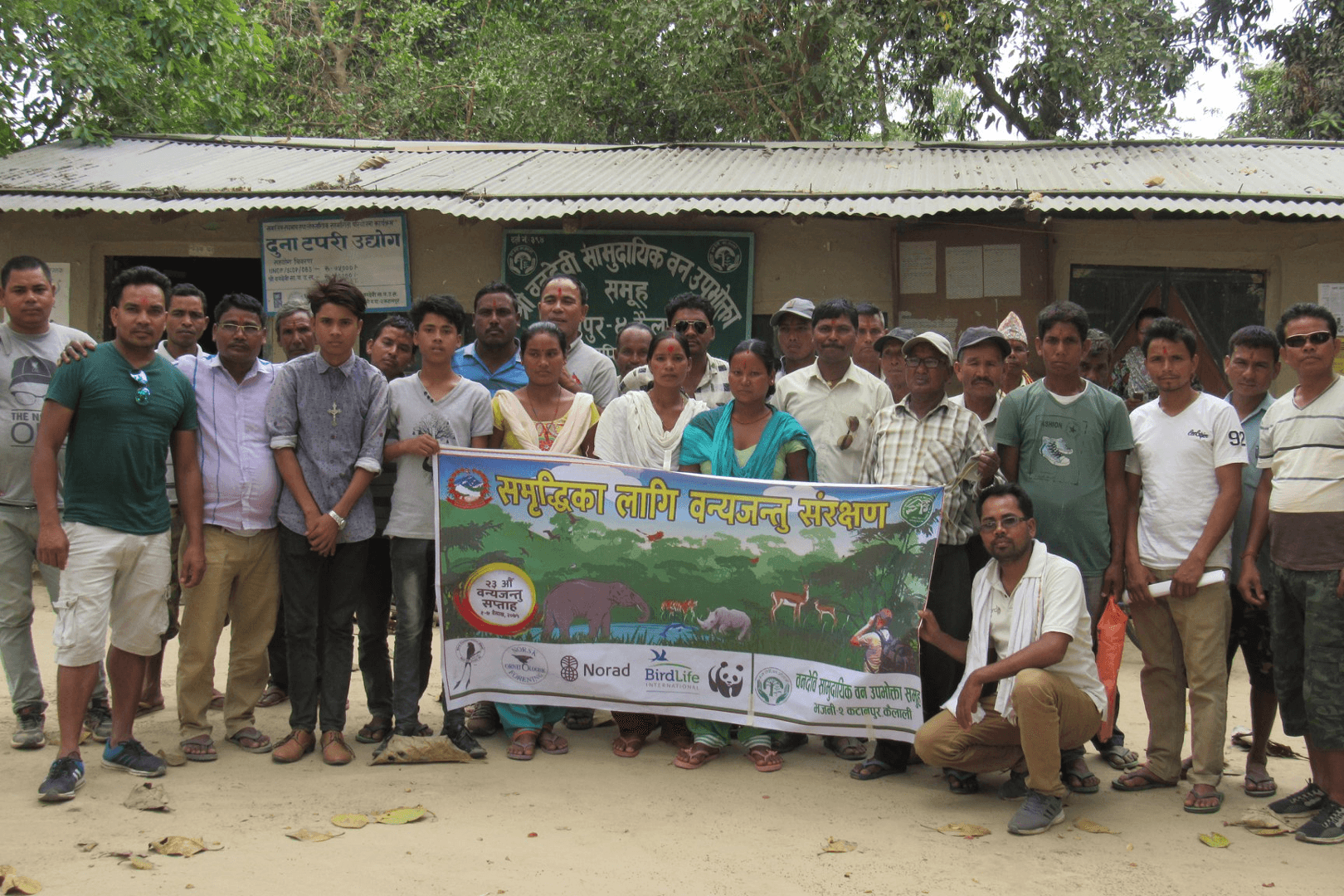
Inclusive participation from riverbank communities, media professionals, and community forest user groups.

Collaborating agencies and partners:

  • MOFE
  • DNPWC
  • DOFS
  • DFO Pahalmanpur Kailali
  • BNP
  • BCN
  • WWF
  • IUCN
  • NTNC
  • NEFEJ
  • NTB
  • UNDP GEF SGP
  • WTLCP
  • TAL
  • USAID PAANI

Impact and Results

From awareness to livelihoods, measurable change is visible across the region

Capacity Building

Participation improved through organized sub-centers, revolving funds, and better-managed offices.

Tourism

Local and international tourists increasingly visit to watch dolphins and birds.

Media Coverage

Research-based stories and documentaries were broadcasted through Indian newspapers, local media, Phulbari FM, Nepal Television, BBC Nepali Service, and NTV Plus.

Recognition

With SGP support, the Mohana clean water area is now prioritized as a natural biodiversity destination in Sudurpashchim and Kailali.

Livelihoods

Riverbank households benefited from catfish farming, goat rearing, tower construction, boating, and wild boar farming.

Empowerment

Raji and Loniya women played major roles, while local capacity to educate others about dolphins significantly increased.

Conservation Partners

Institutions working together for dolphin and bird conservation

  • Kailali District Coordination Committee
  • WWF Nepal
  • TAL
  • IUCN
  • UNDP GEF SGP
  • USAID PAANI
  • NTNC
  • BCN
  • Tribhuvan University
  • Provincial Government
  • Bhajani Municipality
  • Tikapur Municipality
  • DFO Pahalmanpur and Kailali

Local Conservation Infrastructure

Fourteen sub-centers and eight dolphin clubs sustain community action

Baidhwa, Rajigaun, Patharaiya River, Prithvipur, Pagiyapasar, Dakshinpuruwa, Sonafanta, Dhunganatol, Nirajan Chauraha, Triveni, Piperkoti, Sathi Samaj, Sangam, and Janakpur.

In addition, 8 Dolphin Clubs support youth and community engagement for long-term stewardship.

Appreciation and Awards

National and international recognition for sustained conservation leadership

Dolphin Conservation Center, Bhajani: National Science and Technology Award from NAST.

Bhoj Raj Shrestha: National Conservation Award 2016 (Ministry of Forest and Environment) and Conservation Award 2023 (WWF Nepal).

Bijay Raj Shrestha: Abraham Conservation Award 2007 and Environment Conservation Award 2009.

Hirulal Dangaura: Abraham Conservation Award 2010 (WWF Nepal), National Youth Talent Honor 2080 (Ministry of Youth and Sports), and Nature Conservation Award 2024 (Friends of Nature Nepal).

Other awardees: Salawati Chaudhary (Abraham Award 2012) and Prakash B.K. (Abraham Award 2013).

Meet the Awardees

2023 conservation leaders with lifelong regional impact

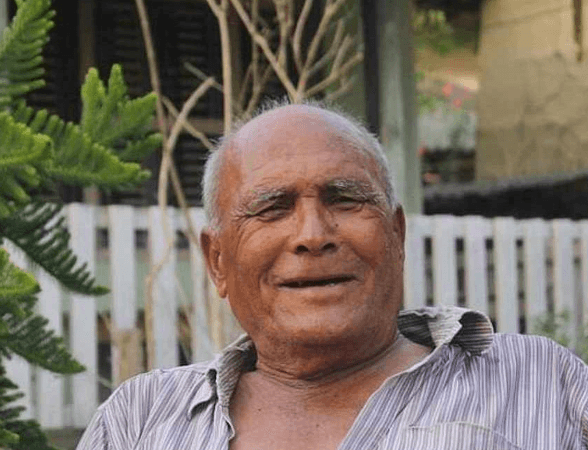
Mr. Bhoj Raj Shrestha

Mr. Bhoj Raj Shrestha

A farmer and conservation activist with more than three decades of experience, he has led awareness efforts for aquatic life, especially Mohana river dolphins, while promoting expansion of private forests as practical biodiversity habitat.

Mohana River Awareness and Private Forest Expansion
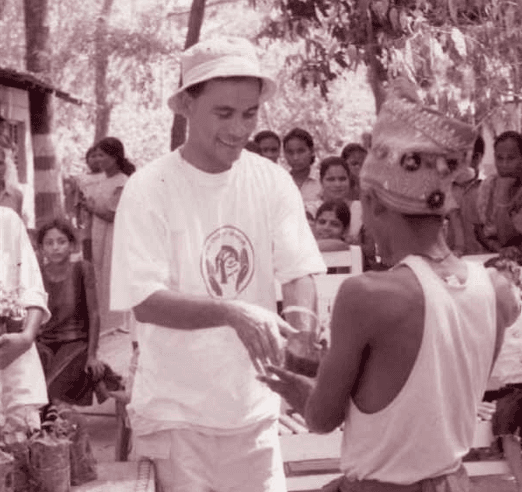
Bijaya Raj Shrestha

Bijaya Raj Shrestha

Based in Thapapur, Kailali, he developed Shrestha Private Forest as habitat for birds and wildlife, established a dolphin conservation center on private land, and actively published conservation writings in local and national media to motivate community action.

Agriculture, Environment, and Community Motivation