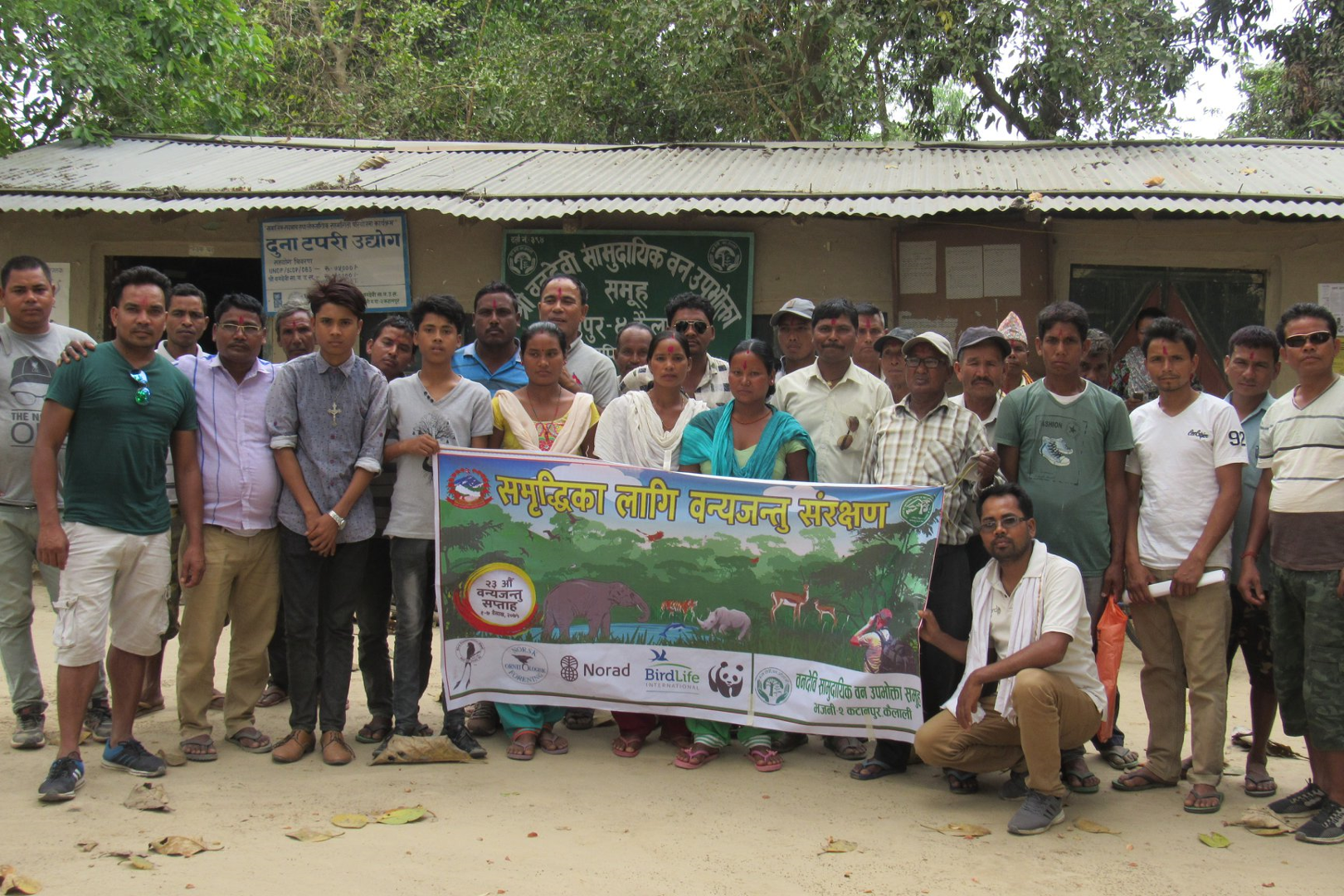
Dolphin Conservation Centre, Nepal
Keep our rivers alive. Keep dolphins safe.
A healthy river means life for families, fish, and dolphins. Help us conserve today so future generations can still witness this beauty.
Introduction
Dolphinsareintelligent,social,anddeeplyconnectedtoriverhealth.
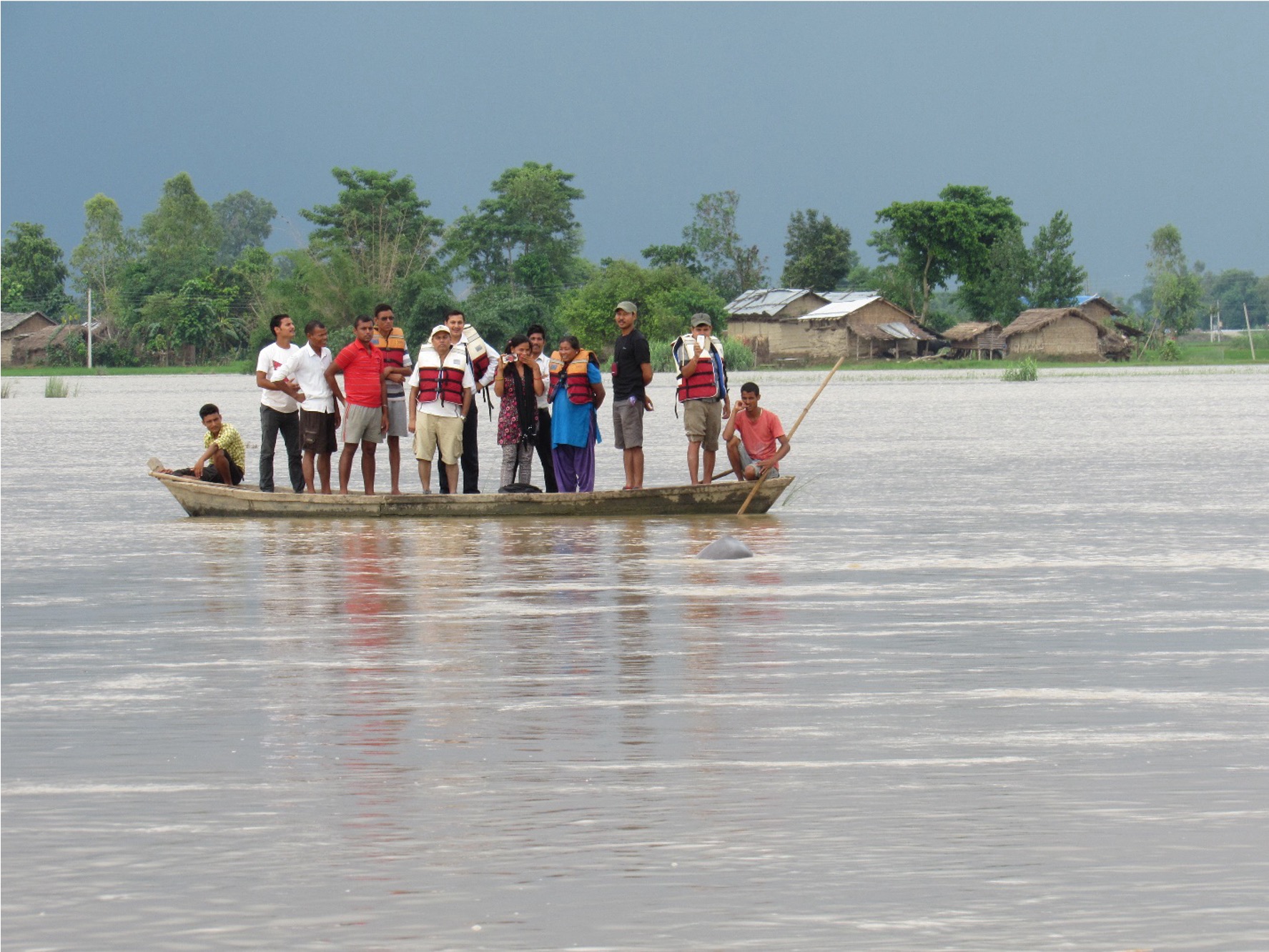
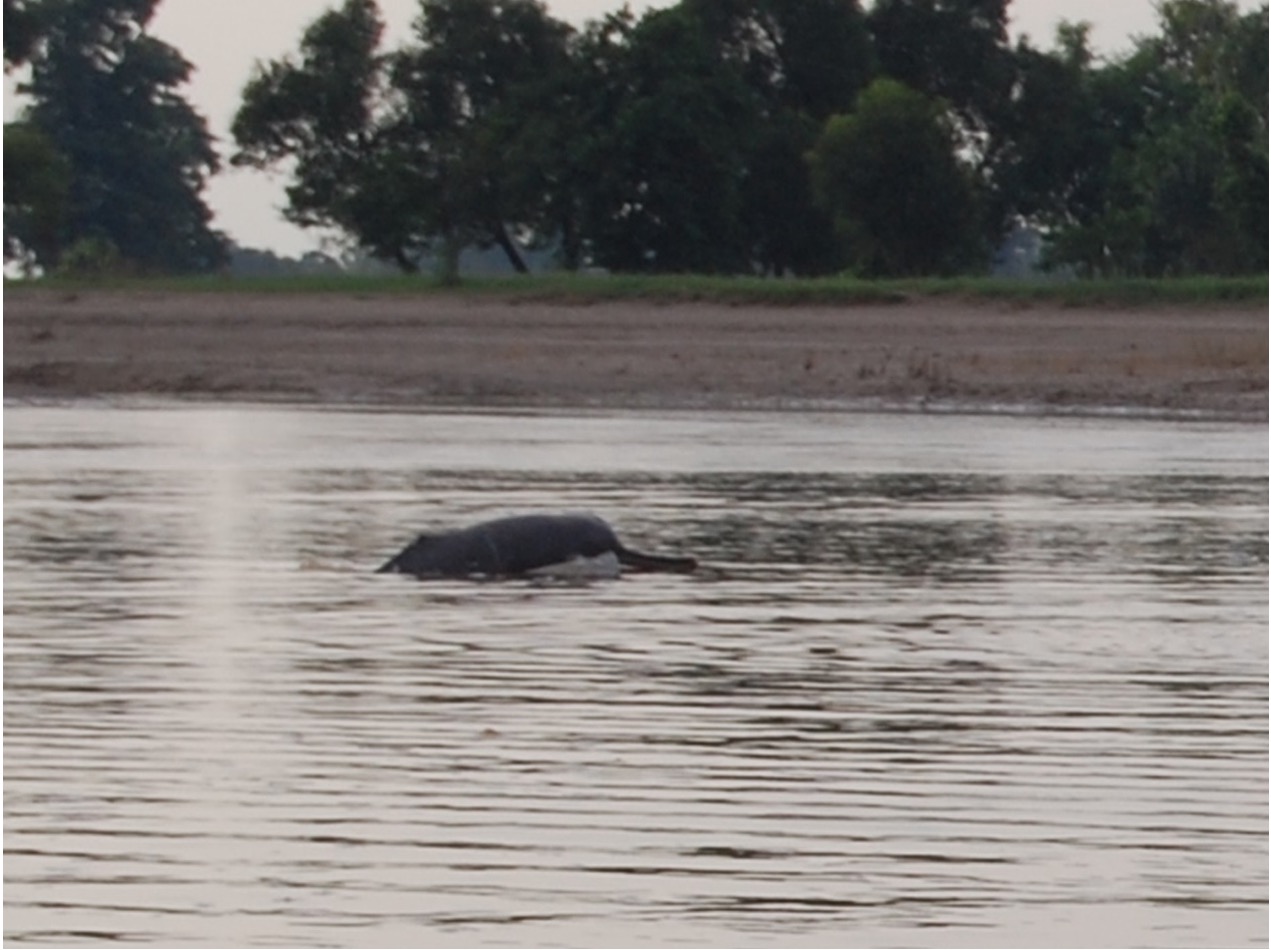
Dolphins are aquatic mammals and among the most intelligent creatures on earth. In Nepal, river dolphins are found mainly in the Karnali, Narayani, and Koshi river systems, especially in deeper freshwater stretches.
The Gangetic dolphin, scientifically known as Platanista gangetica, is endangered. Even with weak eyesight, it survives using powerful echolocation to move, hunt, and communicate in turbid river water.
In local knowledge systems, dolphins are also known as Sons, Sosuwa, and Susu. Their continued presence indicates river integrity and directly reflects the health of freshwater livelihoods.
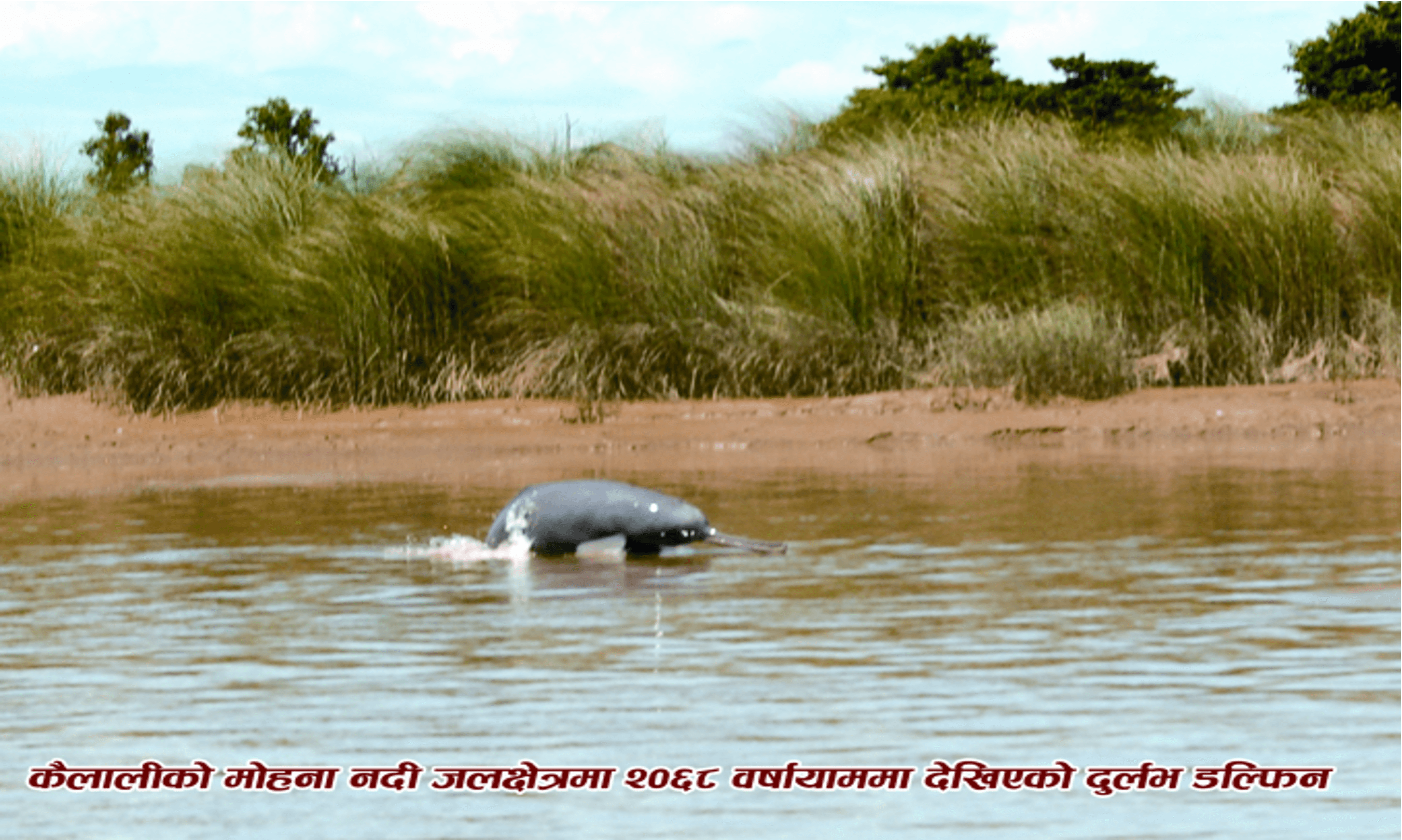
Types of Dolphins
Differentdolphinspeciesteachusonesharedtruth:protectwater,protectlife.
Ganga River Dolphin
South Asia Specialist
Freshwater experts found in Nepal's Karnali, Narayani, and Koshi river systems. They navigate turbid waters using powerful echolocation, representing one of the most endangered river dolphins globally.
Indus River Dolphin
Turbid Water Master
Highly adapted to turbid freshwater environments with almost complete blindness, relying entirely on echolocation. Their survival demonstrates the critical need for continuous river flow and adequate depth in the Indus system.
Amazon River Dolphin
Global Exemplar
Represents freshwater dolphin diversity beyond South Asia, thriving in the world's largest river system. Their story reminds us that river conservation is a shared global responsibility requiring coordinated international action.
Marine Dolphins
Ocean Inhabitants
Ocean-dwelling species that highlight the deep connection between aquatic ecosystems across land and sea. Climate change, pollution, and maritime traffic threaten their survival and migration patterns worldwide.
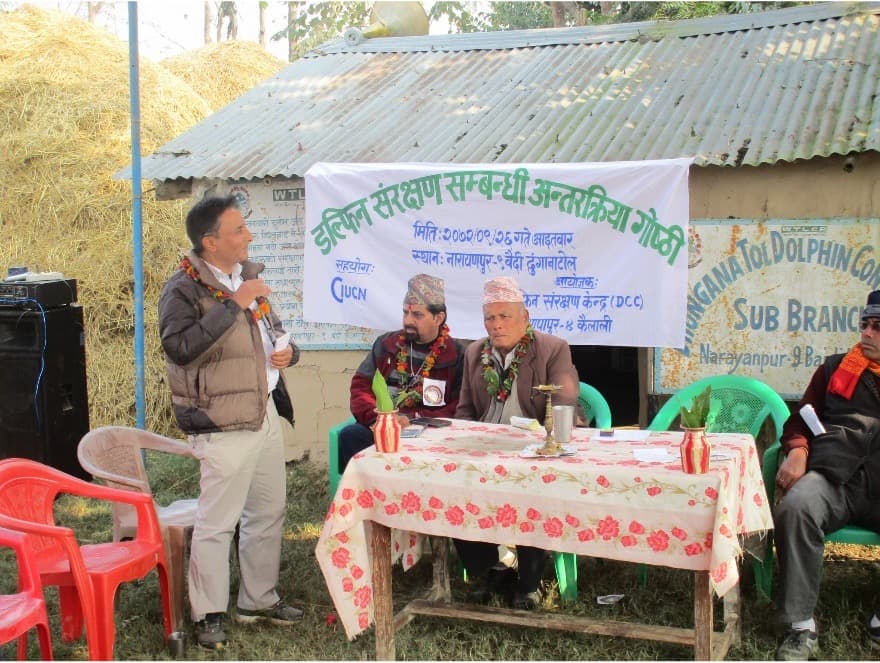
Our Mission
Community-ledconservationwithscientificguidance
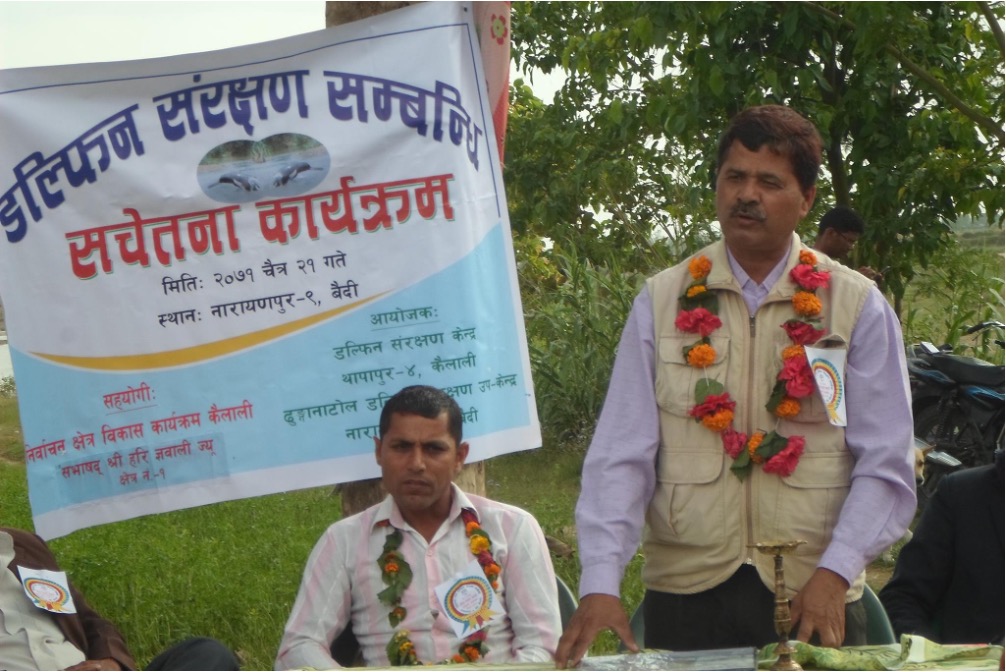
Inspired by successful dolphin and marine conservation efforts around the world, our approach combines awareness, local participation, rescue support, and research-based planning.
We work with schools, fishers, and river communities so conservation is not just a campaign, but a shared culture of care.
Where Dolphins Are Found
PriorityfreshwaterhabitatinNepalandfocusedmonitoringinKailali
Nepal River Systems
Karnali, Koshi, Narayani, Mohana, Kandra, Kaandaha, and Patharaiya.
Major Global Freshwater Context
Ganges, Indus, Yangtze, and Amazon river systems.
Kailali Locations
Karnali River, Pitmari, lower Karnali near Bardia National Park, Mohana, Jugeda, Bhaitariya, Kandra, Kaandaha, and Patharaiya.
Monitoring Model
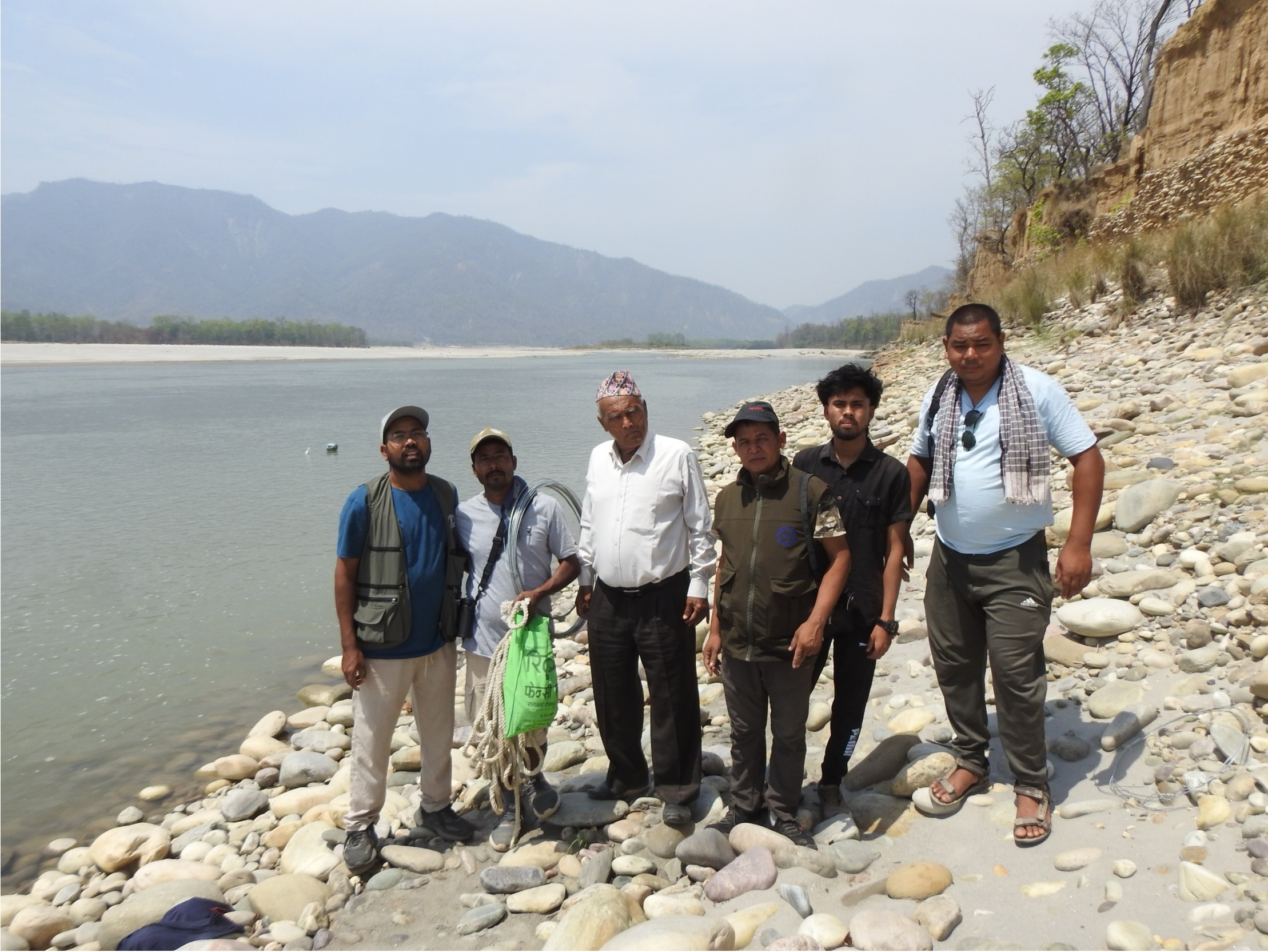
Seasonal dolphin census with monsoon-focused field verification and local community reporting.
Challenges in Dolphin Conservation
The threats are real, but action is possible
River pollution, reduced flow, hydropower pressure, and growing human disturbance are shrinking dolphin habitat. Fishing net entanglement and river structure changes make survival even harder.
River Pollution
Pollution reduces water quality and fish availability, directly affecting dolphin survival and weakening overall river resilience.
Reduced Water Flow
Lower discharge and fragmented channels shrink deep river pockets where dolphins feed, rest, and navigate.
Hydropower and River Change
Infrastructure and altered river morphology can disturb natural flow patterns, habitat continuity, and long-term breeding conditions.
Fishing Nets and Human Activity
Dolphins are at risk of entanglement in nets, while growing human disturbance and river alteration continue to increase pressure on remaining populations.
Conservation Network
Local infrastructure and institutions working together
Sub-Centers
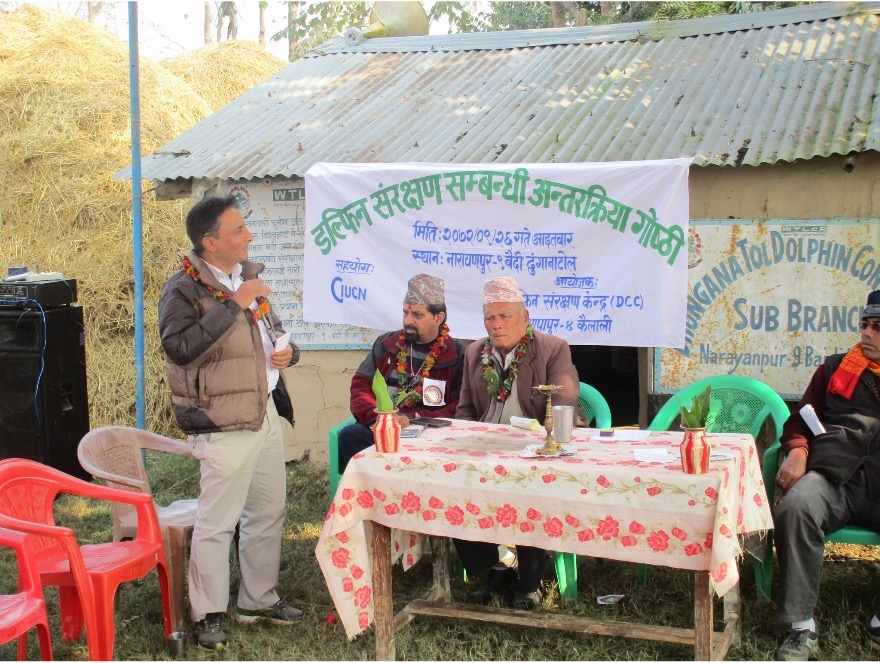
14 active sub-centers: Baidhwa, Rajigaun, Patharaiya River, Prithvipur, Pagiyapasar, Dakshinpuruwa, Sonafanta, Dhunganatol, Nirajan Chauraha, Triveni, Piperkoti, Sathi Samaj, Sangam, and Janakpur.
Community Clubs
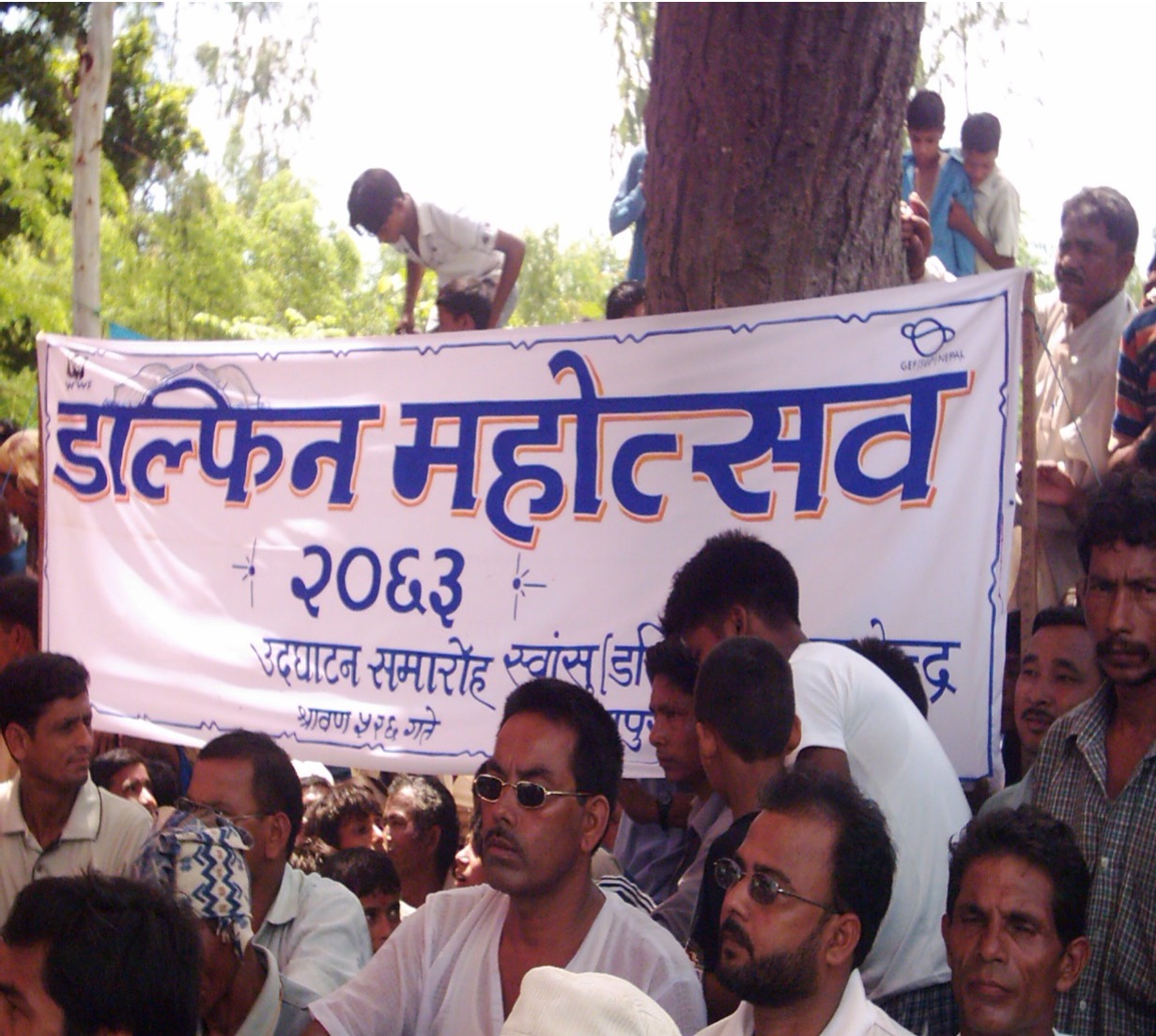
8 Dolphin Clubs are active for youth engagement and awareness.
Key Partners
Kailali District Coordination Committee, WWF Nepal, TAL, IUCN, UNDP GEF SGP, USAID PAANI, NTNC, BCN, Tribhuvan University, Provincial Government, Bhajani Municipality, Tikapur Municipality, and DFO Pahalmanpur and Kailali.
A Human Promise
If we protect the river today, children tomorrow will still see dolphins rise to breathe.
Conservation is not only about species. It is about people, dignity, and the future of life around water.